Loading insights

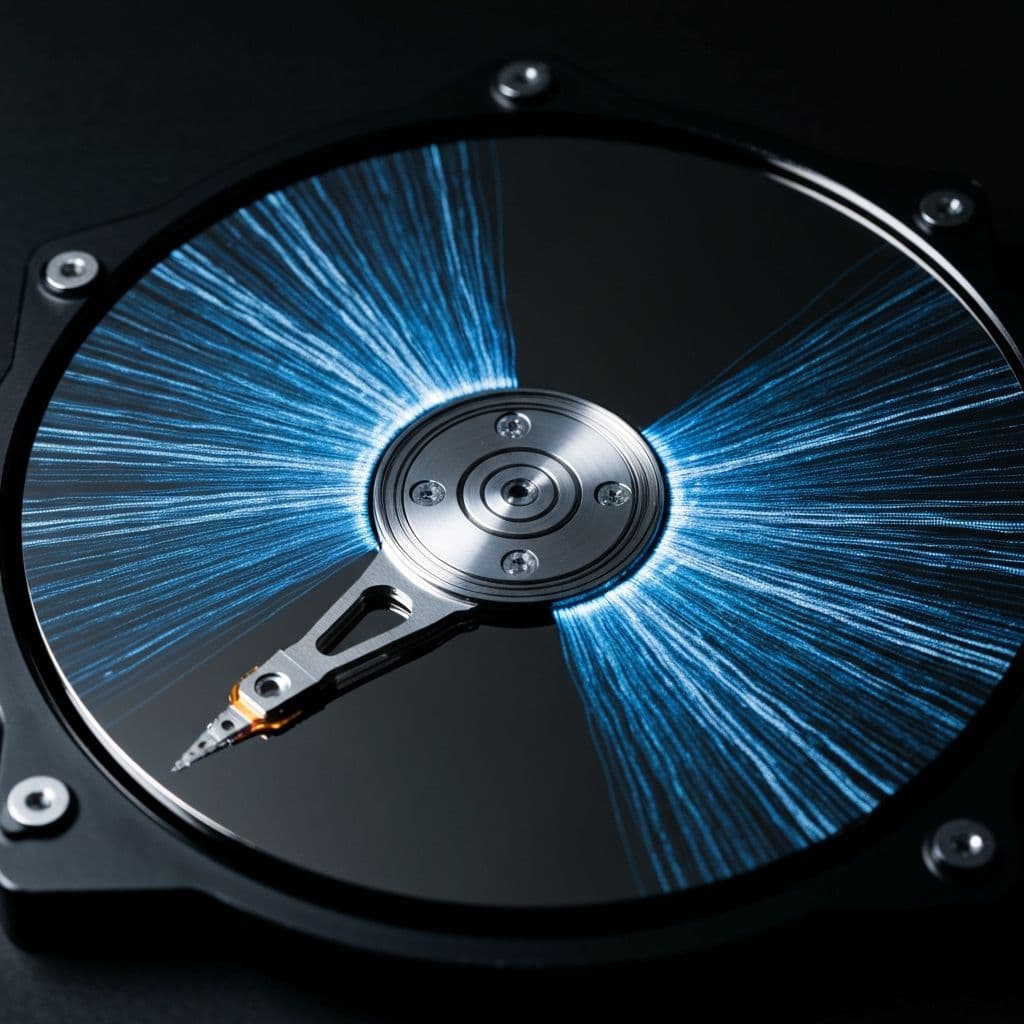
When you delete a file from your computer, it doesn't immediately disappear. The operating system simply marks that space as available for new data. The file itself remains on the drive until something else overwrites it.
Think of it like removing a book's entry from a library catalog. The book is still on the shelf - the system just no longer knows where to find it.
This is why recovery is often possible, even after emptying the recycle bin.
Several factors increase the chances of successful recovery:
Time - The sooner you act, the better. Every day that passes, normal computer use writes new data that could overwrite your deleted files.
Drive type - Traditional hard drives (HDDs) are generally more recoverable than solid-state drives (SSDs), which handle deleted data differently.
Limited use after deletion - If you stopped using the device after realizing files were deleted, your chances improve significantly.
Professional tools - Consumer recovery software has limitations. Forensic tools can access data that standard software cannot.
Some situations make recovery challenging or impossible:
Overwritten data - If new files have been written to the same location, the original data may be partially or fully gone.
Secure deletion - If files were deliberately wiped using secure deletion software, recovery is unlikely.
Physical damage - Hardware failures involving the storage media itself require specialized equipment beyond data recovery services.
Encryption - Encrypted drives without the password present significant challenges.
Modern solid-state drives use a feature called TRIM that actively clears deleted data to improve performance. This means deleted files on SSDs become unrecoverable much faster than on traditional hard drives - sometimes within minutes.
If you've deleted something important from an SSD, time is critical.
If you've accidentally deleted important files:
Can deleted files be recovered? Often, yes - but not always. The outcome depends on the specific circumstances: the type of drive, how much time has passed, and what's happened to the device since deletion.
A professional assessment can usually determine what's recoverable before any work begins.
If you have questions about this topic or need digital forensics services, reach out for a confidential consultation.
Get in Touch